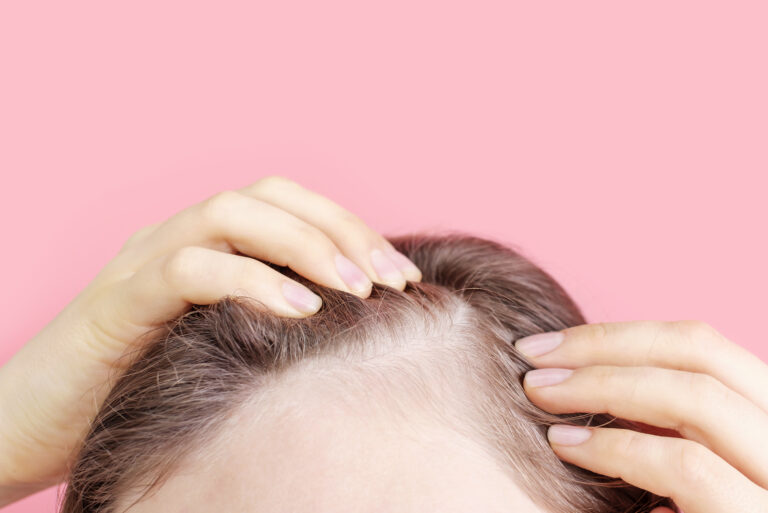
Hair loss is often linked to hormonal imbalance, thyroid dysfunction, insulin resistance, nutritional deficiencies, stress and inflammation.
This protocol is designed specifically for patients undergoing treatment for underlying conditions contributing to hair loss. We will reassess progress after 3 months to identify if treatment needs to be escalated.
It serves to prevent hair shedding, stimulate hair growth, and protect the hair shaft.
While this plan has been designed to wash every alternating day; it is important that the scalp doesn’t get oily/greasy. More frequent hair washing would be ideal in this case.
SIMPLE HAIR SUPPORT ROUTINE
Shampoo
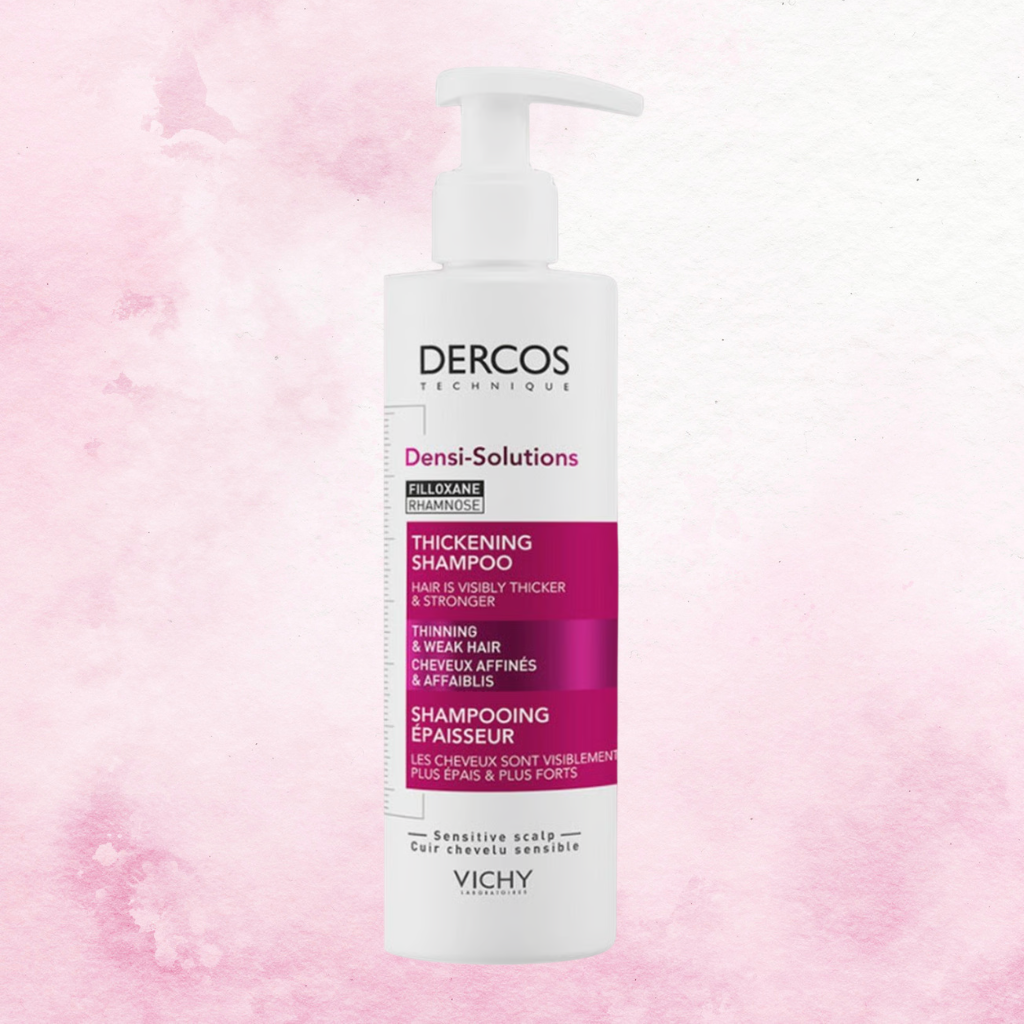
Vichy Dercos Densi-Solutions Thickening Shampoo
This helps support scalp health, reduce breakage and improve the appearance of thinning hair.
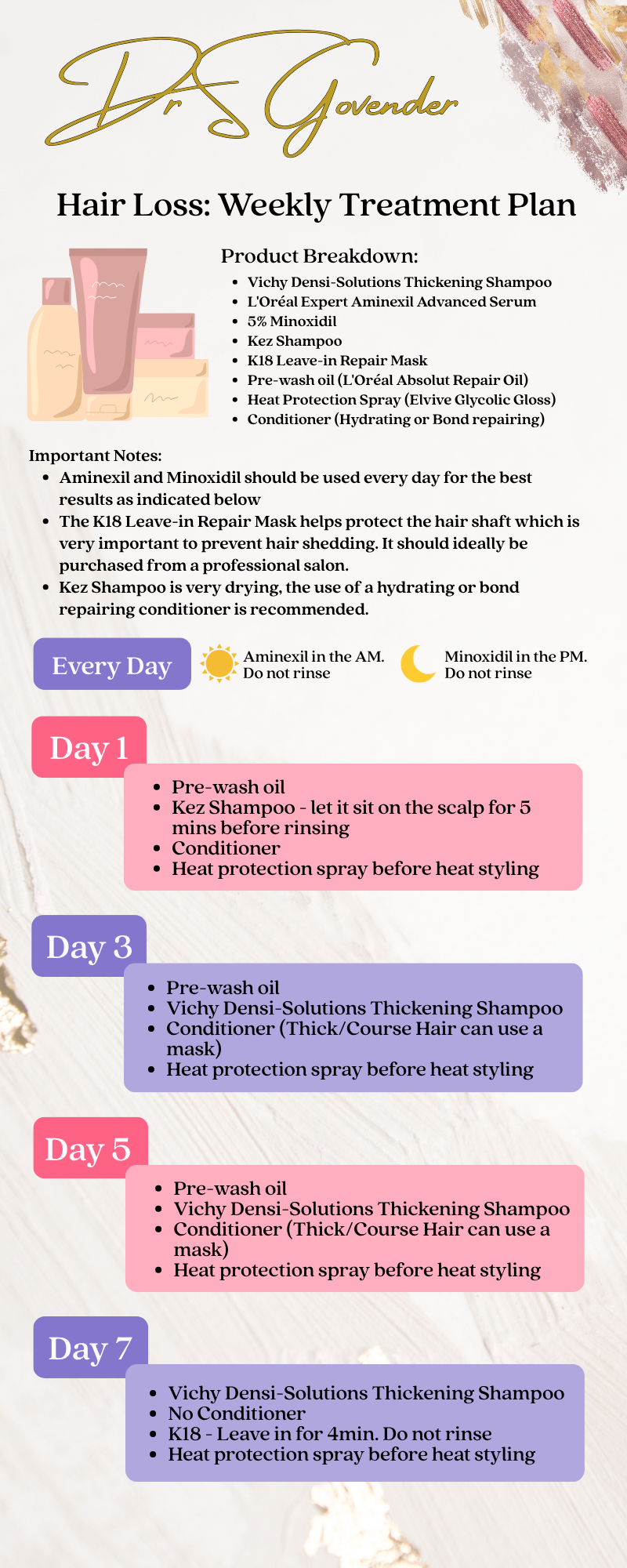
Vichy Densi-Solutions Shampoo: Massage shampoo into the scalp and leave on for 5 minutes.
Kez Shampoo: Massage it into the scalp and let it sit for 5 minutes before rinsing.
Hair Thinning Serums
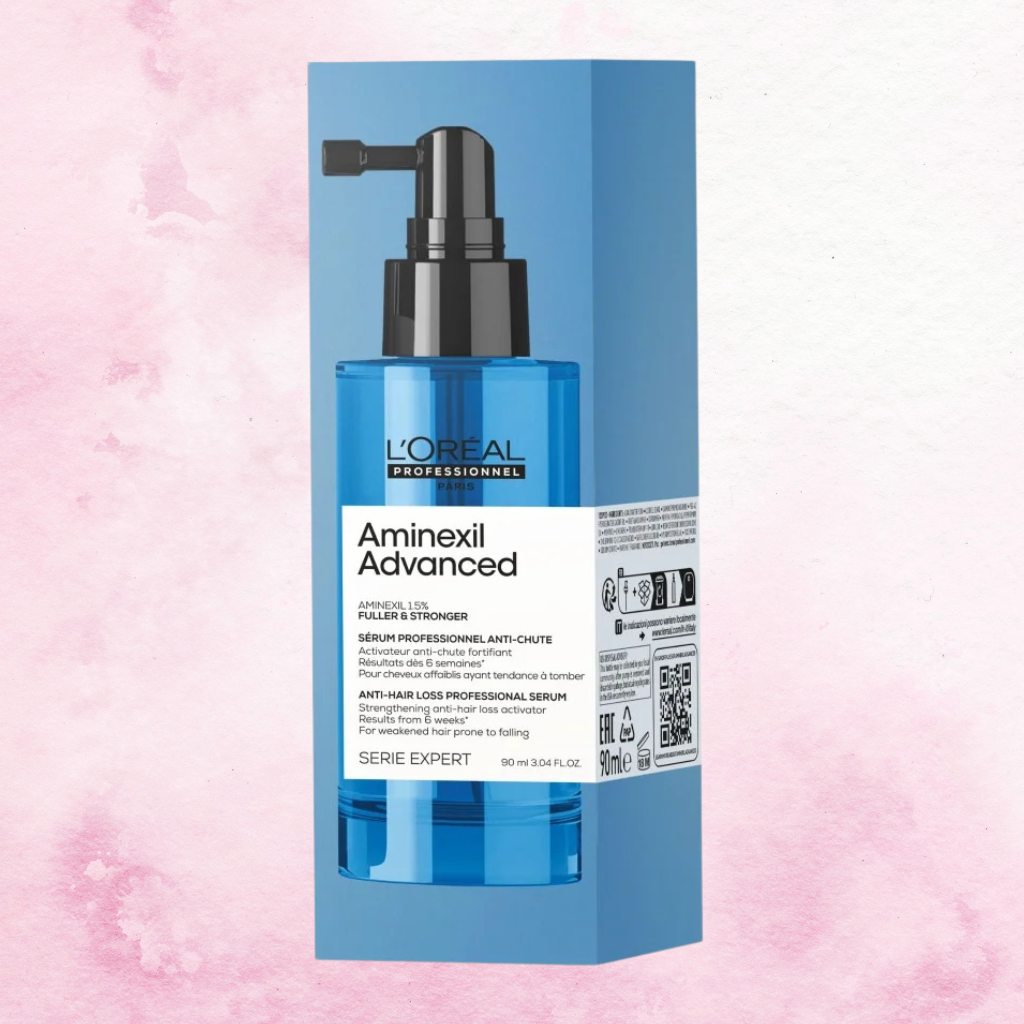
L'Oreal Aminexil Advanced
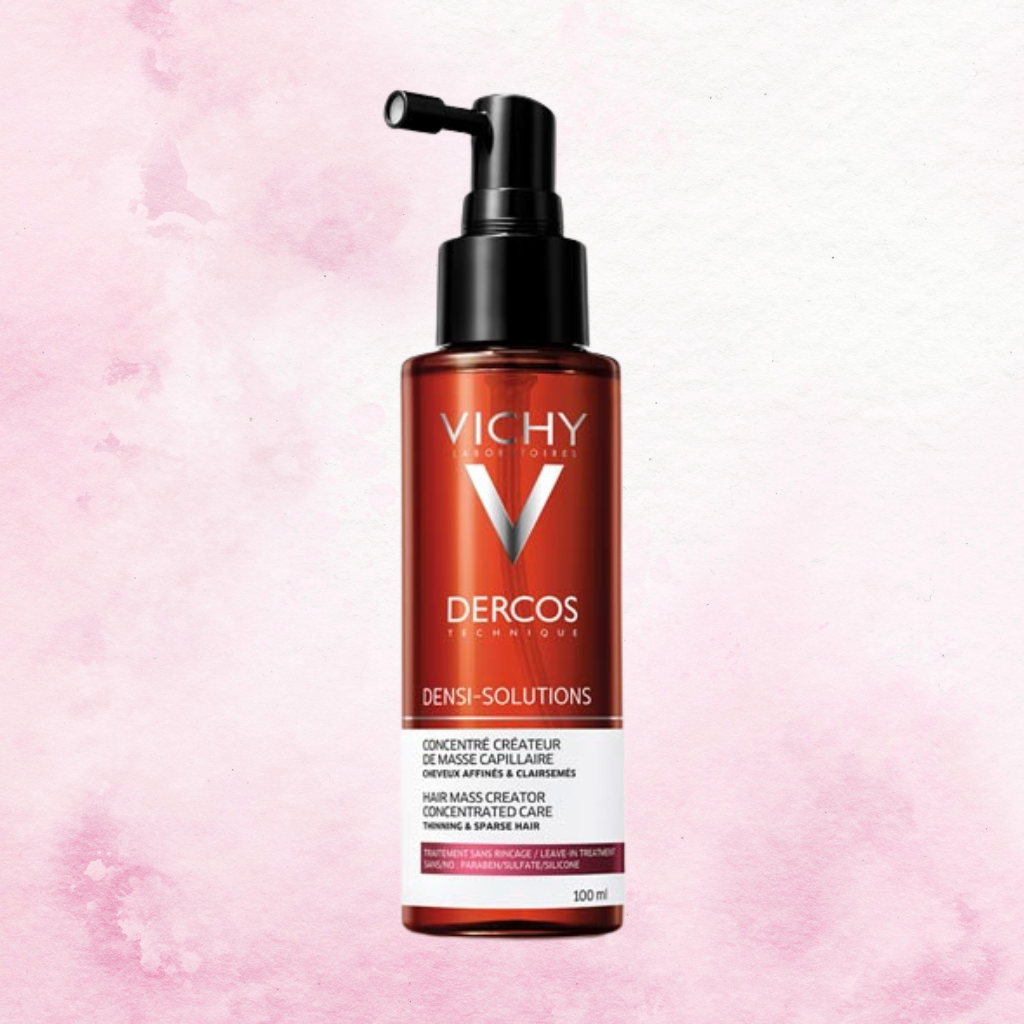
Vichy Dercos Densi-Solutions Concentrate
These serums help support hair density, strengthen the hair fibre and assist with excessive shedding.
Apply to the scalp once daily, and do not rinse.
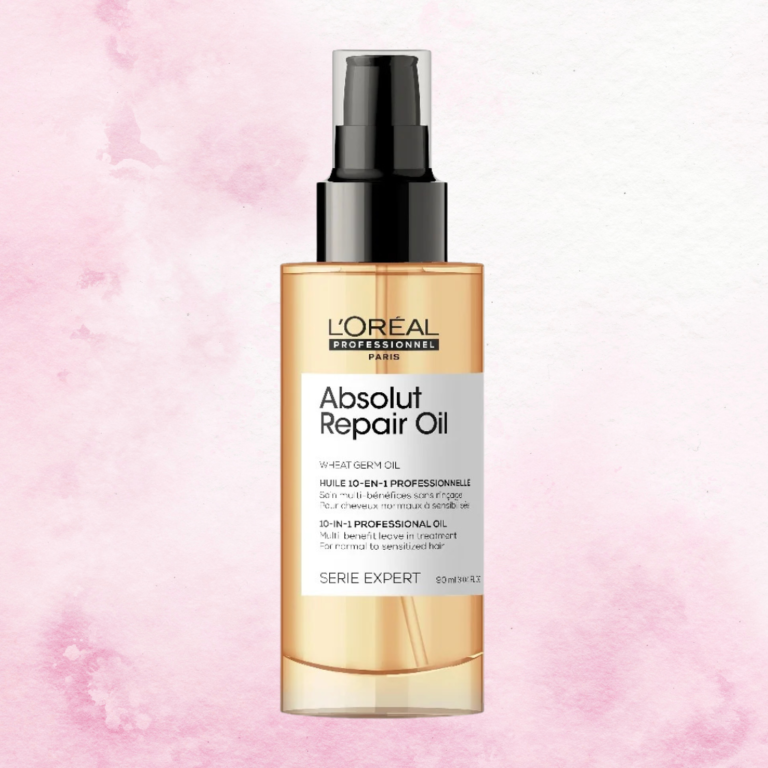
L'Oreal Repair Oil
Pre-Wash Oil (1–2x weekly)
The oil creates a protective barrier that shields your hair from the harsh effects of shampooing, helping it retain moisture so it does not become overly dry or brittle. It also acts as a lubricant, reducing friction and lowering the risk of damage while washing.
For thin / fine hair: L’Oreal Absolut Repair Oil, Lightweight Jojoba or Grapeseed Oil. Apply mainly to the ends of the hair for 20 – 30 minutes before washing
For thick / dry hair: L’Oreal Absolut Repair Oil, Argan Oil, or Rosemary Oil Blend. Apply to length and ends of the hair for 20 – 30 minutes before washing
Heat Protection
If you’re using heat styling tools regularly, use a heat protector spray to reduce breakage and further damage.
Recommended lightweight option:
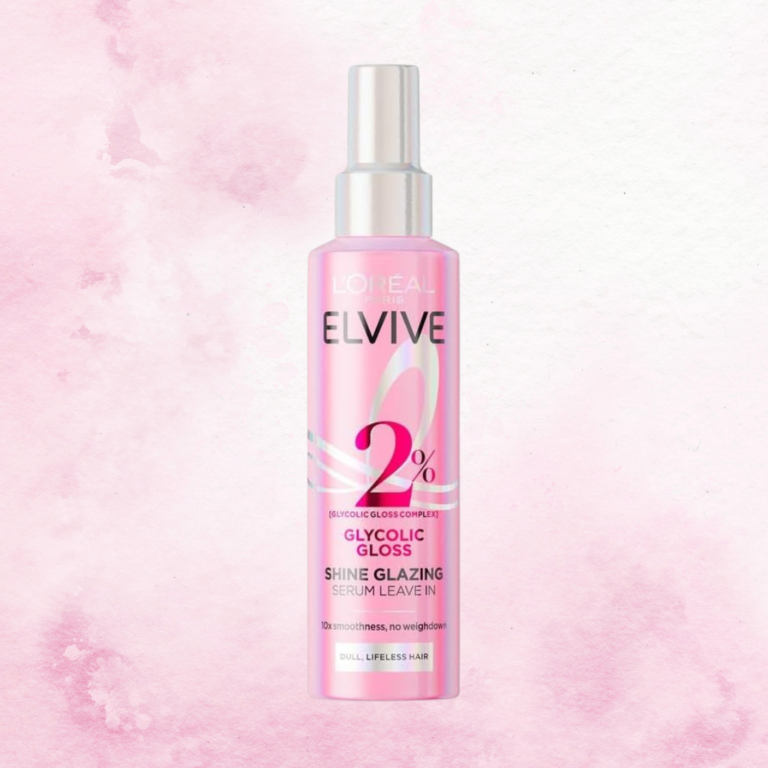
L’Oréal Paris Glycolic Gloss Core Spray Serum
To apply, section hair and ensure every strand is covered. Apply while hair is damp, and allow the spray to dry for a few minutes before using heat style tools.
Elvive Glycolic Gloss Shine Glazing
Important Notes
Hair regrowth takes time and consistency is important
Frequent washing does NOT cause hair loss and may improve scalp health in many patients
Patients with severe damage, high porosity hair or significant thinning may require a more individualised treatment plan
Further treatment options, including minoxidil, may be discussed after reassessment if needed
Different Types of Hair Loss
Hair loss can occur for many different reasons. Understanding the type of hair loss is the first step towards finding the right treatment.
Pattern Hair Loss (Androgenetic Alopecia)
Alopecia Areata
Alopecia Totalis
Alopecia Universalis
Telogen Effluvium
The most common form of hair loss in both men and women. It develops gradually over time and is largely influenced by genetics and hormones. Women typically notice widening of the parting or overall thinning on the crown, while men often develop a receding hairline and thinning at the crown.
An autoimmune condition in which the body’s immune system mistakenly attacks hair follicles. This usually causes sudden, round patches of hair loss on the scalp or other areas of the body.
A more severe form of alopecia areata that results in complete loss of hair on the scalp.
The most extensive form of alopecia areata, causing complete loss of hair on the scalp and the entire body, including eyebrows and eyelashes.
A temporary form of hair shedding that occurs when a larger-than-normal number of hairs enter the resting phase of the hair growth cycle. Common triggers include stress, illness, surgery, significant weight loss, childbirth, and hormonal changes.
Anagen Effluvium
Traction Alopecia
Scarring Alopecia (Cicatricial Alopecia)
Frontal Fibrosing Alopecia
Trichotillomania
Rapid hair loss that occurs during the active growth phase of the hair cycle. It is most commonly associated with chemotherapy and certain medical treatments.
Hair loss caused by prolonged tension on the hair follicles. Tight hairstyles such as braids, weaves, ponytails, and extensions are common causes.
A group of conditions that destroy hair follicles and replace them with scar tissue. Once a follicle is scarred, hair cannot regrow from that follicle, making early diagnosis important.
A type of scarring alopecia that typically causes a gradual recession of the hairline and may also affect the eyebrows. It is most commonly seen in women after menopause.
A condition in which a person repeatedly pulls out their own hair, resulting in patchy hair loss. It is classified as a body-focused repetitive behaviour.
Tinea Capitis (Scalp Ringworm)
Age-Related Hair Thinning
Diffuse Hair Thinning
A fungal infection of the scalp that can cause patchy hair loss, redness, scaling, and itching. It is more common in children but can occur in adults.
As we age, hair naturally becomes finer, grows more slowly, and may appear less dense. This gradual thinning is a normal part of the ageing process.
Generalised thinning across the entire scalp rather than distinct bald patches. This pattern is often seen with telogen effluvium, nutritional deficiencies, hormonal changes, or certain medical conditions.
Disclaimer: This information reflects treatment approaches used for selected patients within our practice and is not intended to serve as a one-size-fits-all solution for hair loss. There is no single “gold standard” treatment that is suitable for everyone. Because the causes of hair loss vary from person to person, most individuals require a more personalised and nuanced treatment plan tailored to their specific circumstances. Please consult your healthcare provider before starting any new treatment regimen.