Travel Clinic Services
- Pre‑travel consultation and personalised destination risk assessment.
- Yellow Fever vaccination with official International Certificate of Vaccination (Yellow Card).
- Safe administration of patient‑supplied vaccines.
- Malaria prevention guidance.
- Food, water and insect‑bite safety advice.
- Travel documentation where require
Important: We stock Yellow Fever vaccines in-clinic. For other travel vaccines, we provide administration of the vaccine — patients collect the vaccine from a pharmacy and return to us for safe administration.

Vaccines for International Travel:
Travel vaccine needs depend on your destination, activities and medical history. We divide vaccines into those that may be required for entry and those recommended for health protection.
Required Vaccines:
Yellow Fever
Some countries require proof of Yellow Fever vaccination if you are arriving from or transiting through a risk area. The vaccine must be given at least 10 days before travel. We administer the vaccine and issue the official certificate in clinic.
Price: R850
Recommended Vaccines:
Hepatitis A
Recommended for most travellers due to food and water exposure risk.
Hepatitis B
Advised for longer stays or potential exposure to blood or medical care abroad.
Typhoid
Recommended for destinations with increased sanitation risk.
Meningococcal
Important for certain regions or crowded travel settings.
Rabies
Considered when animal exposure risk is higher or medical access is limited.
Influenza
Seasonal protection recommended for many travellers.
Routine Boosters
We review routine immunisations such as tetanus, measles and polio to ensure they are up to date before travel.
Malaria
Preventive medication lowers the risk of malaria when taken as directed. Options vary by destination and health factors.
INTERNATIONAL TRAVEL AND HEALTH – Vaccination Requirements and WHO Recommendations

Medical Documentation for Travellers with Chronic Conditions
Travellers living with chronic medical conditions — such as diabetes, heart disease, asthma, epilepsy, or autoimmune conditions — may be asked to provide supporting medical documentation when travelling internationally. Carrying clear, professional documentation helps avoid delays at airports, supports customs enquiries, and ensures access to appropriate care if needed while abroad.
Our Travel Clinic can provide formal medical letters confirming:
- Your diagnosed medical condition
- Required medications, including generic names and dosages
- Medical devices or supplies needed during travel (for example insulin, syringes, glucose monitors, inhalers, or injectable medications)
- Confirmation that these items are medically necessary
For travellers with diabetes specifically, documentation may help when carrying insulin, needles, glucose testing equipment, or special dietary supplies through airport security. Similar documentation is helpful for any traveller carrying injectable medication or specialised medical equipment.
We recommend keeping medical letters with your passport and prescriptions, and carrying medications in their original labelled packaging. Some destinations have additional entry rules for controlled medications, so advance planning is always advised.
Important travel health notes
- Timing matters: Some vaccines require multiple doses or time to become effective — ideally book 4–6 weeks before travel.
- Yellow Fever certificates: Become valid 10 days after vaccination and are recognised internationally.
- Routine immunisations: Keeping standard vaccines current protects you worldwide.
- Malaria prevention: Vaccines do not prevent malaria — destination‑specific medication and bite avoidance are essential.
- Medical conditions: Pregnancy, chronic illness or immune conditions may change vaccine recommendations.
- Side effects: Most vaccines cause only mild, temporary reactions such as arm soreness or fatigue.
How the vaccine process works
- Attend a travel consultation so we can assess destination risks.
- We administer Yellow Fever vaccinations in clinic if required.
- Patient-supplied vaccines will be administered safely and appropriate documentation supplied.
Preparing for your appointment
- Bring your travel itinerary and vaccination records.
- Allow enough time before departure for multi‑dose schedules.
- Tell us about medical conditions, medications or pregnancy.
- Ask about destination‑specific risks — we are here to guide you.
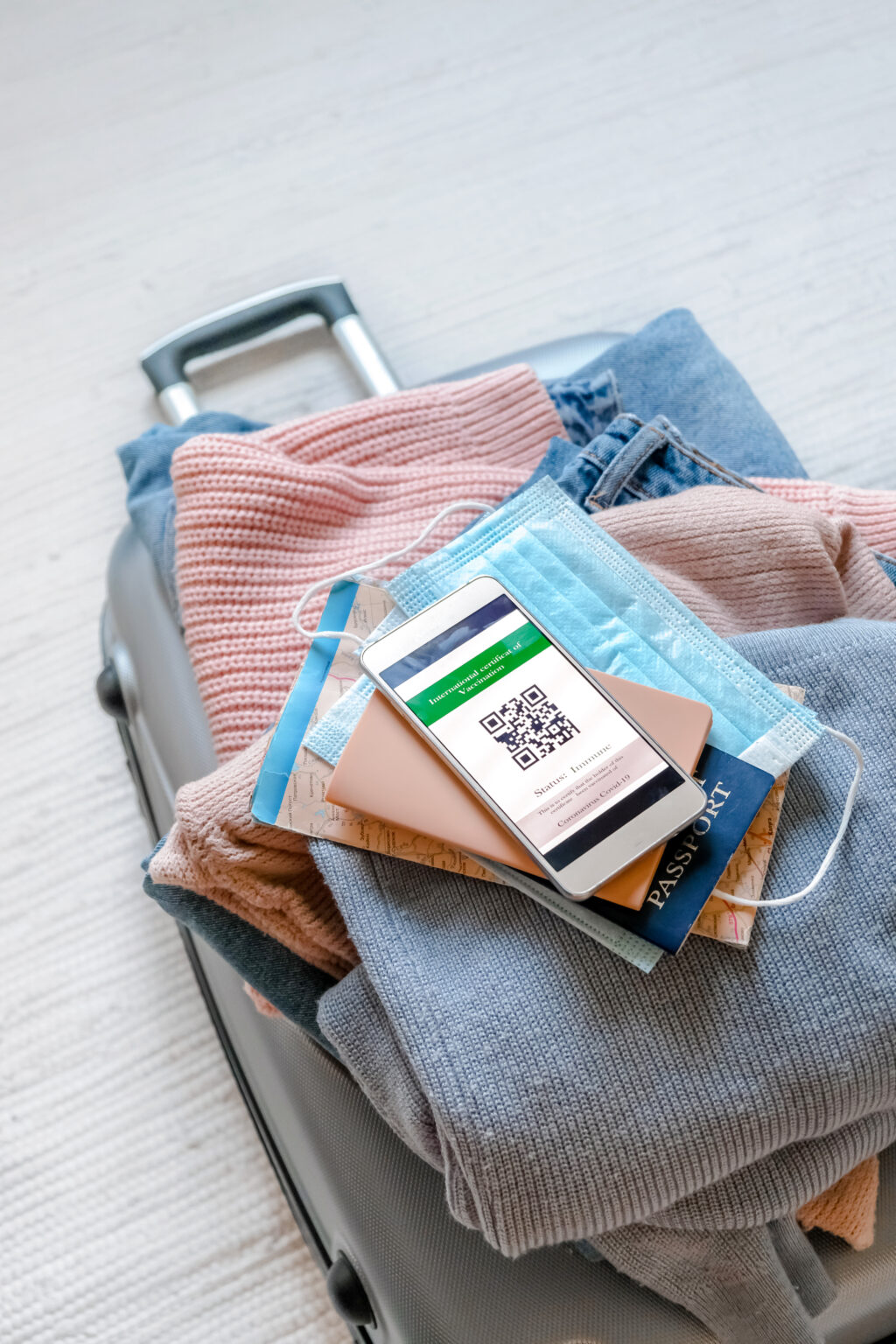
Medications and International Travel Regulations
Some countries have strict laws about which medicines travellers are allowed to carry. A medication that is legal and commonly used at home may be classified as a controlled or prohibited substance elsewhere. Travelling with restricted medication without the correct documentation can result in confiscation, fines, delays, or legal consequences.
Medicines most commonly subject to international restrictions include:
- Codeine and certain pain medicines
- Sedatives and sleeping tablets
- Anti-anxiety medications and benzodiazepines
- ADHD stimulant medications
- Cold and flu remedies containing pseudoephedrine
- Certain over-the-counter antihistamines
- Cannabis or CBD-containing products
Requirements vary widely by destination. Some countries require prior approval, import permits, or official medical documentation before these medicines may be brought into the country.
To travel safely with medication, we recommend:
- Carry medicines in original, labelled packaging
- Bring a copy of your prescription
- Carry a medical letter stating your diagnosis, medication name (generic and brand), dosage, and duration of treatment
- Check embassy or consulate guidance for your destination well before departure
Because regulations change and differ between countries, travellers are responsible for confirming the latest requirements with the relevant embassy or official authority before travel.